

Blog Summary
- Head-on collisions are among the most dangerous crashes, often causing severe or life-threatening injuries.
- Injuries vary depending on impact location—dashboard, windshield, or side.
- Recovery may involve long-term medical care, disabilities, or emotional trauma.
- After a crash, you have legal rights—and a skilled attorney can help you pursue full compensation.
What Is a Head-On Collision?
Last updated on March 27th, 2026 at 12:48 pm
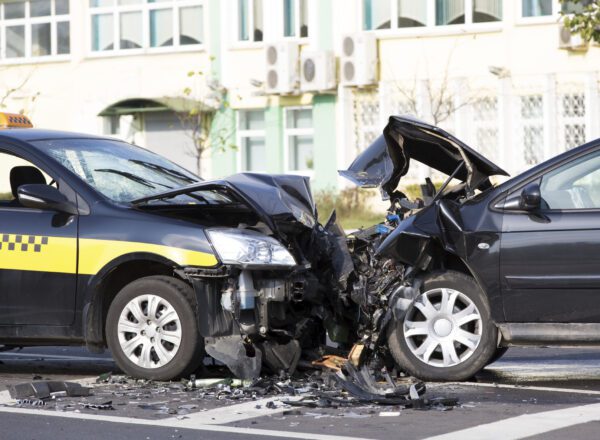
A head-on collision occurs when the front ends of two vehicles crash into one another or when one vehicle hits a fixed object front-first. Because of the direct impact and opposing forces, these crashes tend to cause serious injuries.
These collisions are relatively rare, but they carry high fatality rates—especially on rural roads.
Common Causes of Head-On Crashes
Some of the frequent causes include:
- Driving the wrong way on a one-way street or ramp
- Crossing the centerline during fatigue, distraction, or poor weather
- Speeding too fast around curves
- Impaired driving (alcohol, drugs)
- Unsafe passing in no-passing zones
Types of Injuries from Head-On Collisions
Because of the force involved, victims can suffer multiple serious injuries. Below are examples based on where the body absorbs the impact:
| Impact Location | Possible Injuries |
|---|---|
| Windshield / Face | Lacerations, fractures of face, skull, jaw; traumatic brain injury |
| Dashboard / Legs | Knee injuries, hip fractures, femur or pelvic fractures |
| Chest / Steering Column | Rib fractures, lung damage, heart injuries |
| Abdomen | Ruptured organs (spleen, liver, intestines) |
| Neck & Spine | Whiplash, herniated discs, spinal cord damage, paralysis |
Victims may also experience soft tissue damage (bruising, strains), internal bleeding, contusions, and long-term neurological problems.
The Real Costs: Why Injuries Matter
Injuries from head-on collisions can carry heavy personal and financial burdens:
- Huge medical bills—emergency care, surgeries, rehabilitation
- Lost wages during recovery or permanent inability to work
- Chronic pain, emotional trauma, diminished quality of life
- The cost to repair or replace the vehicle
Because of these stakes, having strong legal representation is essential.
FAQs About Head-On Collision Injuries
Q: How do I know if my injury is severe enough to hire a lawyer?
A: If you need medical treatment, miss work, or suspect long-term damage, consult an attorney. Even “minor” injuries can escalate if untreated.
Q: Can I still recover if I partly caused the crash?
A: Yes. In Maine, you may still recover damages as long as your fault is less than 50%. The final compensation is reduced proportionally.
Q: What sorts of evidence help strengthen these cases?
A: Police reports, medical records, accident reconstruction, photos of vehicle damage, and witness statements are all vital.
How Hardy Wolf & Downing Can Help You
At Hardy, Wolf & Downing, we’ve spent decades representing people injured in serious collisions throughout Portland, Lewiston, and across Maine. We understand the medical, legal, and emotional complexities of head-on crashes—and know how to push back against insurance companies that try to lowball claims.
You don’t have to face this alone. Call us today for a free consultation. We’ll review your case, explain your rights, and help you pursue the compensation you deserve.
