
When Loss Demands Legal Action: Understanding Your Rights
Last updated on March 19th, 2026 at 01:49 pm
Losing a loved one is devastating, and the pain deepens when that loss stems from someone else’s wrongful actions. Beyond the grief, families often face mounting medical bills, funeral expenses, and lost income, all while confronting a complex legal system.
Lawyers for wrongful death suit step in to shoulder this burden. They help families seek justice and compensation when a loved one dies due to another’s negligence or recklessness. These attorneys handle the entire legal process—from investigation and insurance negotiations to fighting for you in court—so you can focus on healing.
Key things to know about wrongful death lawyers:
- Who can file: In Maine, the personal representative of the deceased’s estate files the lawsuit.
- What they recover: Damages include medical bills, funeral costs, lost wages, pain and suffering, and loss of companionship.
- How they charge: Most work on contingency, meaning you pay nothing unless they win your case.
- Time limits: Maine generally allows a claim to be filed within 3 years of the date of death.
- Trial experience matters: Attorneys prepared to go to trial often secure better settlements.
This guide explains what makes a valid claim and how to choose an attorney with the experience and compassion your family deserves.
Understanding the Foundations of a Wrongful Death Lawsuit
When a death occurs because of someone else’s actions—or failure to act—understanding your rights under Maine law is the first step toward justice. Our team at Hardy Wolf & Downing helps families across Maine steer these difficult legal waters.
What Constitutes a Wrongful Death Claim in Maine?
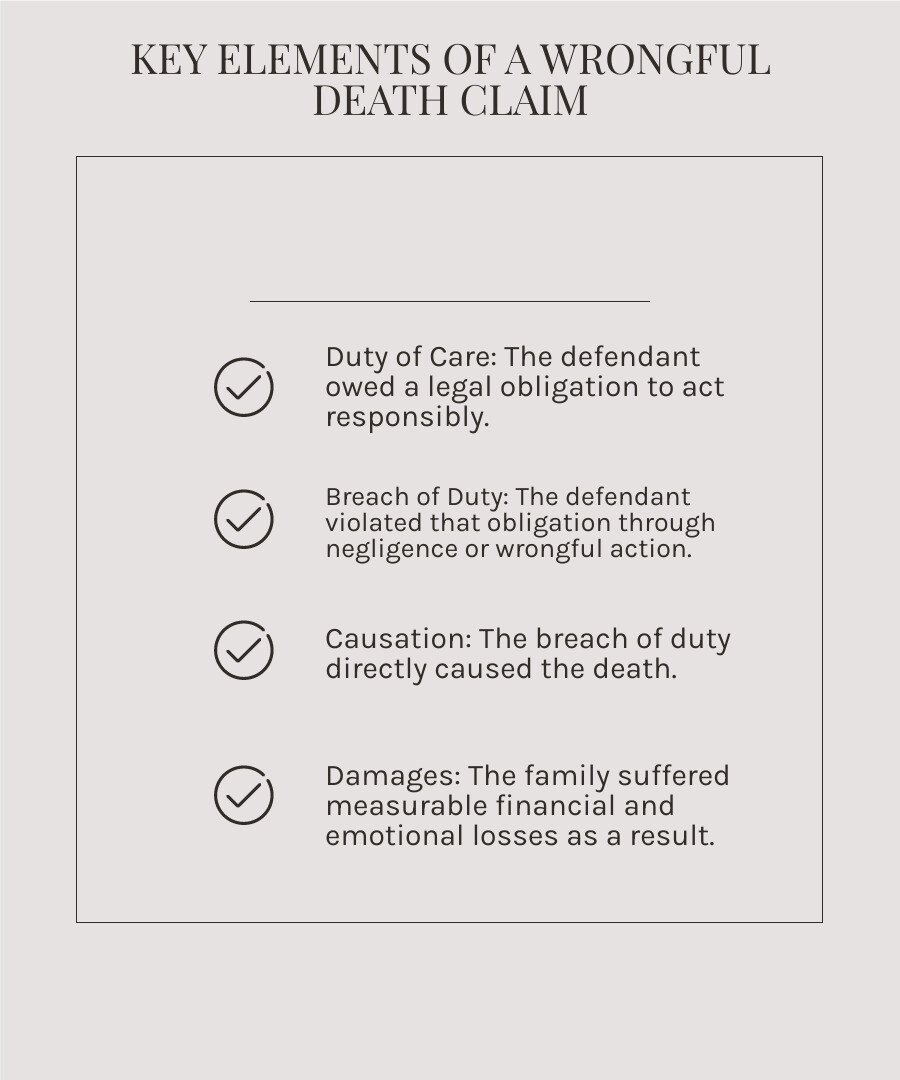
A wrongful death claim arises when a person dies from a wrongful act, neglect, or default by another party. Essentially, if the deceased had survived, they would have had grounds for a personal injury lawsuit. Since they cannot, Maine law allows their estate to pursue justice on their behalf.
As defined in the Maine Probate Code § 2-807, a “wrongful act” can be:
- Negligence: The most common cause, such as a distracted driver causing a fatal crash.
- Reckless Conduct: A conscious disregard for safety, like drunk driving.
- Intentional Acts: Deliberate harm, such as an assault.
It’s important to know that a wrongful death lawsuit is a civil case, separate from any criminal charges. The standard of proof is lower (“more likely than not”), so a claim can succeed even if a criminal case resulted in an acquittal or was never filed.
Common causes of wrongful death include:
- Car, truck, motorcycle, and pedestrian accidents
- Medical malpractice (e.g., surgical errors, misdiagnosis)
- Workplace incidents, especially on construction sites
- Defective products
- Nursing home abuse and neglect
Wrongful Death vs. Personal Injury: Key Distinctions

While both claims address harm from another’s wrongdoing, they differ in key ways. The primary distinction is who files the claim. An injured person files a personal injury claim for themselves. In a wrongful death case, a representative files on behalf of the deceased’s surviving family members to compensate them for their losses.
A related claim is a survival action, which recovers damages the deceased could have claimed if they had lived, such as pain and suffering from the injury until death. In Maine, these are often pursued alongside wrongful death claims. You can Learn about Maine Wrongful Death Survival Statutes to understand how they work together.
| Feature | Wrongful Death Claim | Personal Injury Claim |
|---|---|---|
| Who Files | Personal representative of the estate (for beneficiaries) | The injured person |
| Damages Sought | Family’s losses—funeral costs, lost support, loss of companionship, deceased’s pain before death | Injured person’s losses—medical bills, lost wages, pain and suffering |
| Legal Basis | Negligence, recklessness, or intentional act causing death | Negligence, recklessness, or intentional act causing injury |
Who Can File and What Damages Can Be Recovered?
In Maine, only the personal representative of the deceased’s estate, appointed by the Probate Court, can file a wrongful death claim. While they file the suit, the compensation is distributed to surviving family members (beneficiaries).
Damages are intended to cover both financial and emotional losses:
- Economic Damages: These are measurable costs like medical and funeral expenses, lost income and financial support the deceased would have provided, and loss of inheritance.
- Non-Economic Damages: These address intangible losses, including the deceased’s conscious pain and suffering before death, the family’s emotional distress, and loss of consortium (companionship, guidance, and affection). In Maine, the cap for loss of comfort and companionship is $1,000,000.
- Punitive Damages: In cases of extreme recklessness or malice, these may be awarded to punish the wrongdoer. Maine caps punitive damages at $500,000 in these cases.
Calculating these damages is complex. Our experienced lawyers for wrongful death suit evaluate every aspect of your loss to pursue full compensation. For a real-world example, you can see an example of an Auto Accident Wrongful Death Settlement.
No amount of money brings back someone you love. But holding negligent parties accountable and securing your family’s financial future honors your loved one’s memory and helps you move forward.
The Critical Role of Lawyers in Wrongful Death Suits
When you’re grieving, the last thing you should worry about is navigating the legal system. This is why lawyers for wrongful death suits are essential—they shoulder the legal burden so you can focus on your family. At Hardy Wolf & Downing, we’ve guided many Maine families through this challenging journey, providing the support needed to find a path forward.
Navigating the Legal Process with Lawyers for a Wrongful Death Suit
A wrongful death case involves strict deadlines and complex procedures. An experienced attorney ensures no detail is missed.
Initial Steps and Building Your Case
After a tragedy, it’s crucial to preserve evidence such as photos, police reports, medical records, and witness statements. It’s equally important not to give recorded statements to insurance adjusters or accept quick settlement offers without legal advice, as these offers are typically far below what your claim is worth.
Once you hire us, we begin a thorough investigation. We gather evidence, consult with experts like accident reconstructionists and economists, and build a strong case proving the defendant’s negligence and the full extent of your family’s damages.
The Statute of Limitations Is Critical
In Maine, you generally have 3 years from the date of death to file a wrongful death lawsuit, as defined by the statute of limitations. This deadline is strict, and exceptions can sometimes shorten it. Building a strong case takes time, so it is vital to contact an attorney as soon as possible. Waiting too long could mean losing your right to seek justice entirely.
Why Trial Experience and Contingency Fees Matter
Choosing the right legal representation is critical. Two of the most important factors are the attorney’s trial experience and their fee structure.
Trial-Ready Lawyers Get Better Results
Insurance companies know which lawyers are willing to go to trial and which will settle for less to avoid it. At Hardy Wolf & Downing, we prepare every case as if it will go before a jury. This reputation for being trial-ready gives us significant leverage in negotiations, often leading to fair settlements without a trial. If an insurer refuses to be fair, we have the proven experience to fight and win in court. For more guidance, read about what to look for in an attorney for wrongful death.
Contingency Fees Remove Financial Barriers
We handle wrongful death cases on a contingency fee basis. This means you pay no upfront fees or out-of-pocket costs. We cover all expenses of building and litigating your case. Our firm is paid only if we win compensation for you, with our fee a percentage of the recovery. This aligns our interests with yours and ensures everyone has access to justice, regardless of their financial situation.
Finding Justice and Rebuilding Your Future
A wrongful death case is about more than money—it’s about accountability. It sends a message that negligence has consequences and can help prevent similar tragedies. While no amount of compensation can replace your loved one, it can provide financial stability by covering medical bills, funeral costs, and lost future income. For many, it also brings a sense of closure and honors their loved one’s memory.
Our Commitment to You
At Hardy Wolf & Downing, you will have direct access to your attorney and be treated with compassion and respect. We are here to support you through every stage of the process.
Take the First Step
If you’ve lost a loved one due to someone else’s negligence, you don’t have to face this alone. We offer free, confidential consultations to discuss your legal options. Let our experienced lawyers for wrongful death suit fight for the justice and compensation your family deserves.
Learn more about our approach to Wrongful Death cases