

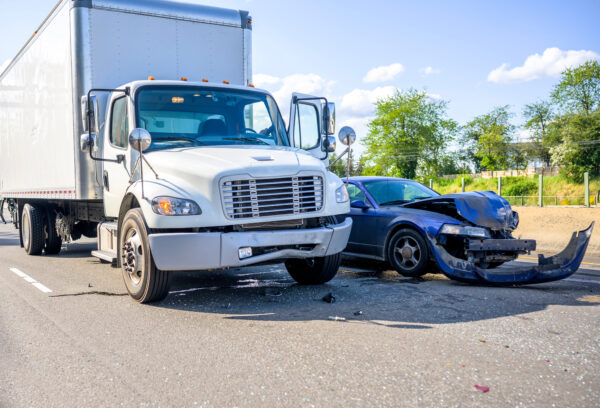
Understanding the Aftermath: From Injuries to Legal Rights When Injured in a Truck Accident
Last updated on February 9th, 2026 at 01:19 pm
If you’ve been injured in a truck accident, the aftermath is overwhelming. The collision between an 80,000-pound commercial truck and a passenger car often results in catastrophic injuries, mounting medical bills, and immense stress. To protect yourself, you must act quickly.
Here are three critical things to do immediately:
- Seek medical attention right away, as some serious injuries may not be immediately apparent.
- Document everything you can at the scene, including photos, driver information, and witness contacts.
- Contact an experienced truck accident attorney before speaking to any insurance adjusters.
Unlike car crashes, truck accidents involve complex federal regulations and multiple potentially liable parties—from the driver and trucking company to cargo loaders and maintenance providers. Evidence like driver logs and “black box” data can disappear if not preserved immediately. This guide will walk you through the common injuries, essential first steps, and the legal process for securing the compensation you deserve.
Common Injuries and Their Long-Term Effects
The immense force of a truck collision can cause life-altering injuries with significant long-term consequences. Understanding the potential severity is crucial for your claim.
- Traumatic Brain Injuries (TBI): Can cause permanent cognitive impairments, memory loss, and personality changes.
- Spinal Cord Injuries: May lead to partial or complete paralysis, chronic pain, and loss of sensation.
- Broken Bones and Fractures: Severe fractures often require surgery and can result in permanent mobility issues.
- Internal Injuries: Damage to internal organs and internal bleeding are life-threatening and require emergency care.
- Burns and Lacerations: Can cause severe scarring, nerve damage, and infection, especially in accidents involving fire.
- Psychological Trauma (PTSD): Victims often suffer from anxiety, depression, and flashbacks that impact daily life.
- Chronic Pain: Many survivors live with debilitating pain for years, reducing their quality of life.
- Long-Term Disability: Severe injuries can prevent victims from returning to work, causing significant financial strain.
- Reduced Quality of Life: The combined physical and emotional trauma can drastically diminish a person’s independence and well-being.
For a deeper understanding of personal injury claims, you can find more information here: More info about personal injury.
Critical First Steps After a Collision
The actions you take immediately after a truck accident are critical for your health and any future legal claim. Adrenaline can mask serious injuries, so prioritize safety and documentation.
- Seek Immediate Medical Attention: Your health is the top priority. Call 911. A medical evaluation creates an official record of your injuries, which is vital for a personal injury claim.
- Report the Accident: Ensure law enforcement is called to the scene to create an official accident report.
- Document the Scene: If possible, take photos and videos of the vehicle positions, damage, injuries, road conditions, and the truck’s license plate and DOT number.
- Exchange Information: Obtain the driver’s name, contact information, license number, insurance details, and the trucking company name. Collect contact information from any witnesses.
- Do Not Admit Fault: Avoid saying anything like “I’m sorry,” which can be used against you. Stick to the facts when speaking with police.
- Report to Your Insurer: Inform your insurer about the accident, providing only the basic facts.
- Avoid Speaking to the Trucking Company’s Insurer: Their goal is to minimize payouts. Do not give a recorded statement or sign any documents without legal counsel. Politely decline and refer them to your attorney. For more tips, see this guide on how to Gather evidence at the scene.
Why Truck Wrecks Are More Complex Than Car Crashes
Cases involving an injured victim of a truck accident are far more complex than typical car crashes due to the truck’s size, federal regulations, and the number of parties involved.
- Multiple Liable Parties: Liability may extend beyond the driver to the trucking company (for negligent hiring or maintenance), cargo loaders, maintenance providers, or parts manufacturers.
- Federal Regulations (FMCSA): The trucking industry is governed by strict Federal Motor Carrier Safety Administration regulations covering hours of service (to prevent fatigue), driver qualifications, and vehicle maintenance. Violations are often a key factor in accidents.
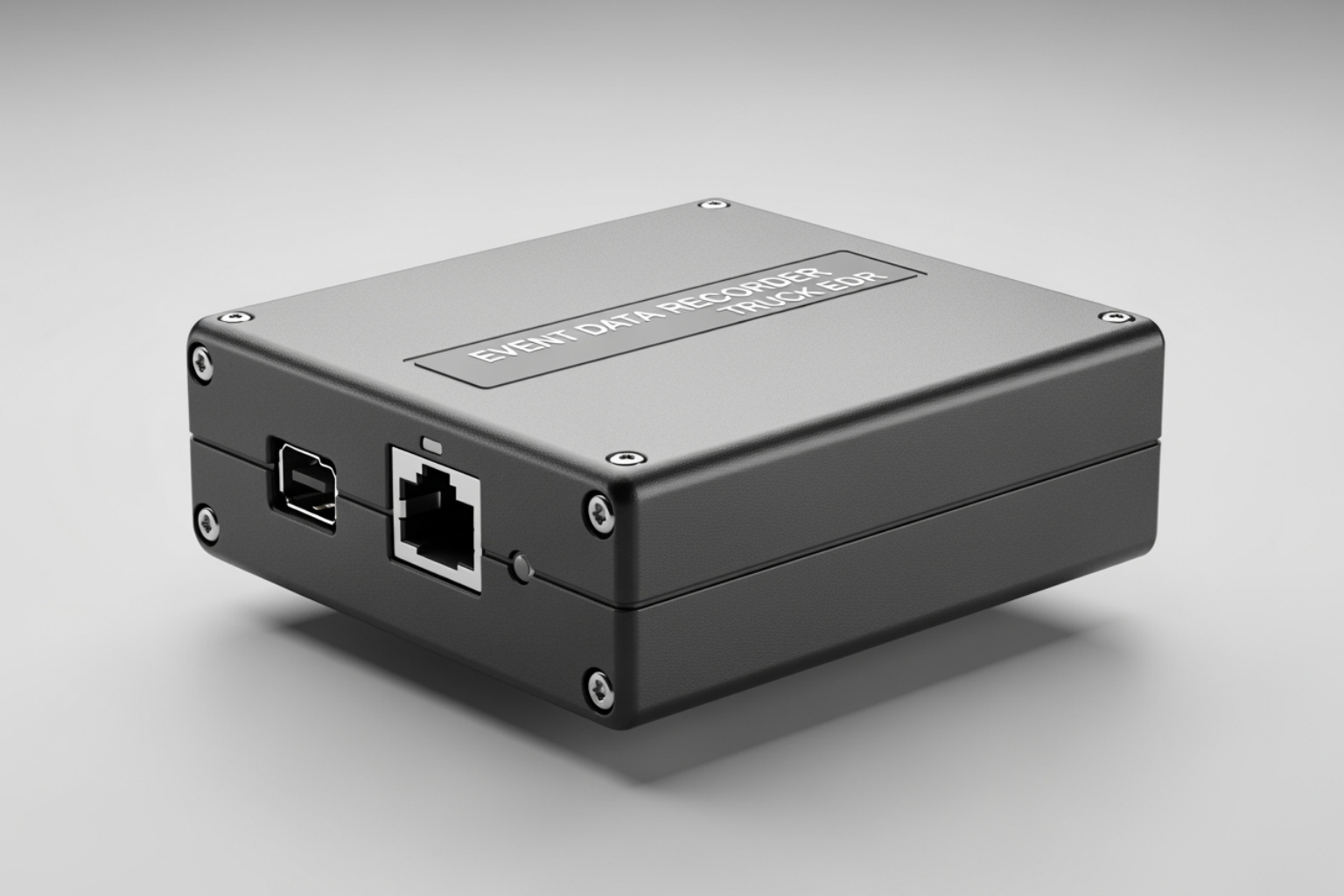
- Crucial Evidence: Critical evidence must be preserved quickly. This includes the truck’s “black box” (Event Data Recorder), driver’s logs, maintenance records, and drug/alcohol test results. This data can be lost or destroyed if an attorney doesn’t act fast to secure it.
- Aggressive Opposition: Trucking companies and their insurers have powerful legal teams dedicated to minimizing their liability. You need an experienced legal team to level the playing field.
For more insights, read about the Top Causes of Trucking Accidents.
Navigating Compensation When You’re Injured in a Truck Accident
If you’ve been injured in a truck accident, Maine law allows you to seek compensation for your losses. These claims often result in higher settlement values than those from car accidents, due to the severity of injuries and higher insurance policy limits.
Compensation is divided into two main types:
- Economic Damages: Calculable financial losses.
- Medical Bills: All past, present, and future medical expenses.
- Lost Wages & Future Earning Potential: Income lost during recovery and compensation if your ability to earn is permanently reduced.
- Property Damage: Costs to repair or replace your vehicle.
- Non-Economic Damages: These compensate for non-monetary, personal losses.
- Pain and Suffering: For the physical pain and emotional distress caused by the accident.
- Loss of Enjoyment of Life: For the inability to participate in hobbies and activities you once enjoyed.
- Emotional Trauma & Disfigurement: For psychological impacts like PTSD, anxiety, and permanent scarring.
An experienced attorney works with experts to calculate the full extent of your damages. Trucking companies are required to carry high-limit insurance policies, which provide a source for recovering the substantial compensation needed in catastrophic cases. Learn more about Types of compensation and find general information on More info about truck accidents.
What to Know if You’re Injured in a Truck Accident in Maine
If you are injured in a truck accident in Maine, you must be aware of the state’s specific laws that will affect your claim.
Statute of Limitations: In Maine, you generally have six years from the date of the accident to file a lawsuit. While this seems like a long time, it is crucial to act quickly. Delaying can lead to lost evidence (like black box data being overwritten) and fading witness memories, which can weaken your case.
Comparative Negligence: Maine uses a “modified comparative negligence” rule. This means your compensation will be reduced by your percentage of fault. However, if you are found to be 50% or more at fault for the accident, you are barred from recovering any damages at all. This makes it vital to have an attorney who can effectively counter the trucking company’s insurer’s attempts to shift blame to you.
Evidence Preservation: An experienced Maine truck accident attorney will immediately send a spoliation letter to the trucking company, legally requiring them to preserve all relevant evidence. This is a critical step to prevent the company from destroying records that could prove their negligence.
For more information on related topics, visit: More information about auto accidents.
Taking Control: How a Truck Accident Attorney Can Help
Being injured in a truck accident leaves you facing a daunting legal and financial battle against large trucking companies and their aggressive insurers. A dedicated truck accident attorney is your most powerful ally, leveling the playing field and helping you regain control.
An experienced attorney, like the team at Hardy Wolf & Downing, guides you through Maine’s complex truck accident laws. They handle all communication with insurance adjusters, protecting you from tactics designed to minimize your claim or trick you into admitting fault. This allows you to focus on your recovery while they protect your rights.
Building a strong case requires a swift and thorough investigation. Your attorney will work to preserve critical evidence that can quickly disappear, such as the truck’s “black box” data, driver logs, maintenance records, and drug test results. By analyzing the evidence and interviewing witnesses, they can identify all liable parties, including the trucking company, cargo loaders, and parts manufacturers, as well as the driver.
When you’re injured in a truck accident, your attorney’s goal is to secure maximum compensation for all your losses. They work with medical and financial experts to calculate the full extent of your damages, including current and future medical bills, lost income, reduced earning capacity, and property damage. They also fight for compensation for your non-economic losses, such as pain and suffering, emotional trauma, and loss of enjoyment of life.
The team at Hardy Wolf & Downing is committed to fighting for justice for the injured. They provide expert legal representation and are always prepared to take your case to trial if a fair settlement isn’t offered. The most important step is often the first one. If you’re wondering When Should I Call a Personal Injury Lawyer?, the answer is as soon as possible after an accident.
If you or a loved one has been injured in a truck accident in Maine, the experienced team at Hardy Wolf & Downing is ready to help. They serve clients across Maine, including Portland, South Portland, Lewiston, Auburn, Augusta, Waterville, Bridgton, Bath, Bethel, Brunswick, Farmington, Windham, York, Scarborough, Cape Elizabeth, Freeport, Poland, Gray, and Kennebunkport. They offer free consultations to discuss your case with no obligation.
Take the first step toward justice. Contact our Portland, Maine injury lawyers for a free consultation today.