

Blog Summary
- Motorcycle crash injuries often begin with leg, arm, and spine damage.
- Even “minor” crashes can cause serious long-term effects like brain injury or paralysis.
- Knowing typical injury patterns helps you get proper care and legal help.
- If you’re hurt, gathering evidence and getting the right attorney is essential.
What Is a Motorcycle Accident Injury?
Last updated on September 26th, 2025 at 06:03 pm
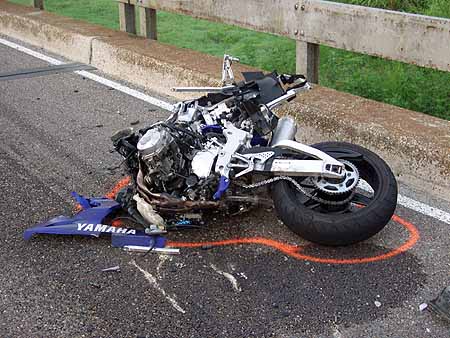
A motorcycle accident injury is any harm a rider suffers in a crash involving a motorcycle. These injuries are often more severe than those in car accidents because motorcyclists have less protection.
Why Motorcycle Injuries Are So Severe
- Motorcycles are smaller and less visible on the road. Drivers often don’t see them until too late.
- Motorcyclists lack the structural protection cars offer—no doors, frames, or airbags.
- Crashes often happen at high speeds, or involve being thrown from the bike.
Most Common Injuries: What Riders Experience
Here are typical injuries listed from the most frequent to the most severe:
| Area of Body | Common Injury Types & Effects |
|---|---|
| Lower Limbs | Shoulder dislocations, broken arms/elbows, and rotator cuff tears from bracing for a fall. |
| Upper Extremities | Shoulder dislocations, broken arms/elbows, rotator cuff tears from bracing for a fall. |
| Chest & Abdomen | Broken ribs, collapsed lungs, internal bleeding, organ damage. It can be life-threatening. |
| Head & Brain Trauma | Concussions, skull fractures, brain hemorrhage, loss of function—vision, speech, cognitive effects. |
| Spinal Injuries | Broken ankles, knees, fractures, torn ligaments, and road rash. Often painful, long rehab. |
Real-World Example
Imagine riding in Portland on a dry road. A car pulls out, and the rider is thrown forward, hitting the pavement and landing on the road. The rider may suffer a broken leg and wrist, a head concussion, and possibly a spine strain. Even “non-fatal” injuries like these can completely change a life.
FAQs: Motorcycle Injuries
Q: What injuries are most likely in “low-speed” motorcycle crashes?
A: Even slow crashes can cause broken wrists or ankles, road rash, and serious soft tissue damage. They may look minor but often need treatment and can worsen.
Q: How do I know if I have brain injury or traumatic injuries I can’t see?
A: Watch for persistent headaches, dizziness, memory loss, and mood changes. Get a medical evaluation—you might need brain imaging or specialist care.
Q: What role does my behavior or protective gear play?
A: Wearing a helmet, protective clothing, and gear helps. Your riding technique, awareness, and speed also reduce risk. However, even with all precautions, crashes with negligent drivers can cause injury—you may still have legal recourse.
Key Takeaways
- Lower- and upper-limb injuries are common, but chest, head, and spine injuries are often the most serious.
- Even crashes in good weather and on dry roads can cause major injuries. The statistics confirm this. Hardy Wolf & Downing
- Early medical care is vital—what seems minor can turn worse.
- Evidence (photos, medical records, witness statements) matters for insurance or legal claims.
- A knowledgeable motorcycle accident attorney in Maine, especially familiar with the courts in Portland and Lewiston, makes a significant difference.
How Hardy, Wolf & Downing Can Help
If you’ve been injured in a motorcycle accident in Portland, Lewiston, or nearby towns, we are here for you. With decades of experience, we understand the severity of these injuries—and how to effectively fight insurance companies for compensation.
📞 Contact us today for a free case evaluation. Let us help you understand your rights, navigate your medical needs, and work toward the recovery and justice you deserve.