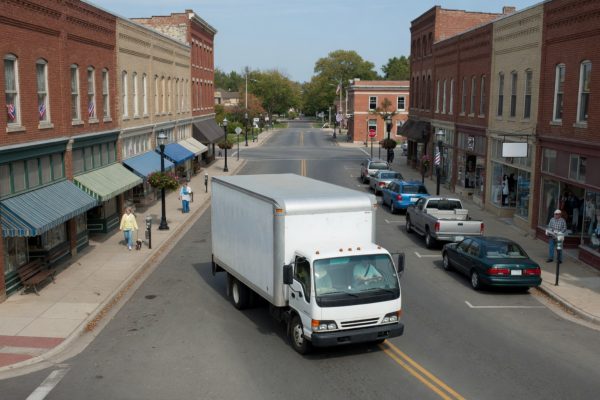
What to Do After a Delivery Truck Pedestrian Collision in Maine
If you or someone you love has been hurt in a delivery truck pedestrian collision, here is what matters most right away:
- Get medical help immediately — even if injuries seem minor at first
- Call 911 and make sure a police report is filed
- Document everything — photos of the scene, the truck, any markings or logos, and your injuries
- Get witness information — names and phone numbers of anyone who saw what happened
- Do not give a recorded statement to any insurance company before speaking with an attorney
- Contact a Maine personal injury attorney — liability in delivery truck cases can be complex and time-sensitive
The roads across Maine — from Portland’s busy downtown streets to residential neighborhoods in Lewiston — have seen a sharp rise in delivery traffic. UPS alone delivered 5.3 billion parcels in 2023. FedEx delivered 3.3 billion. A 2023 Wall Street Journal report noted that Amazon vans now outnumber both UPS and FedEx vehicles combined on American streets.
More trucks mean more risk. And when a large delivery vehicle strikes a pedestrian, the results are often devastating.
These are not simple fender-benders. Pedestrians hit by delivery trucks face serious, sometimes fatal injuries. And the legal questions that follow — who is liable, which insurance applies, what evidence exists — can be just as overwhelming as the injuries themselves.
You shouldn’t have to figure this out alone.
This guide walks you through what causes these collisions, how Maine law determines who is responsible, and what steps to take to protect your right to fair compensation.
The Danger of Blind Spots and Tight Delivery Schedules
When we talk about a delivery truck pedestrian collision, we have to look at the unique pressures placed on the drivers. These aren’t just people driving from point A to point B; they are operating under intense corporate scrutiny.
Blind Spots and Visibility Large delivery vehicles, from FedEx step vans to Amazon Prime Sprinters, have massive blind spots. A 2024 coroner’s report in Montreal highlighted a tragic case where an 11-year-old boy was killed because he was positioned in a truck’s blind spot during a turn. Even with mirrors and cameras, the height and length of these vehicles make it difficult for drivers to see a person crossing closely in front of or behind the vehicle.
The “Delivery Hustle” Why do these accidents happen so often in residential areas like South Portland or Auburn?
- Tight Deadlines: Drivers are often tracked by GPS and must meet strict “parcels per hour” quotas.
- Distracted Driving: Delivery drivers constantly check handheld devices for the next address or navigation instructions.
- Unfamiliar Routes: Unlike a commuter, a delivery driver may be in a Lewiston neighborhood they’ve never visited before, leading to sudden stops or illegal U-turns.
- Reversing Hazards: To save time, drivers may back up after missing a house. In Norfolk, VA, a pedestrian was recently killed by a delivery truck backing into a parking lot.
The sheer volume of deliveries—with billions of packages moving annually—creates a “numbers game” where pedestrian safety often takes a backseat to speed.
Multiple Threat Scenarios in a delivery truck pedestrian collision
One of the most dangerous situations for a pedestrian in Maine is the “multiple threat” or “wave-through” scenario. This often happens on multi-lane roads in cities like Portland or Bangor.
Imagine you are standing at a crosswalk. A driver in the lane closest to you stops, smiles, and waves you across. You feel safe and begin to walk. However, a delivery truck in the next lane cannot see you because the first vehicle is blocking their line of sight. The truck driver, unaware of your presence, continues at speed and strikes you as you step into the second lane.
Maine Crosswalk Laws and “Visible Intent” Under Maine law, drivers must yield to pedestrians who are in a marked crosswalk. Furthermore, MaineDOT crosswalk guidance emphasizes that drivers must yield to a pedestrian who shows “visible intent” to enter the crosswalk.
Crucially, Maine law prohibits a driver from passing another vehicle that has stopped for a pedestrian. If a delivery truck passes a stopped car and hits a pedestrian, that driver has likely violated a clear safety statute.
Determining Liability in a Delivery Truck Pedestrian Collision
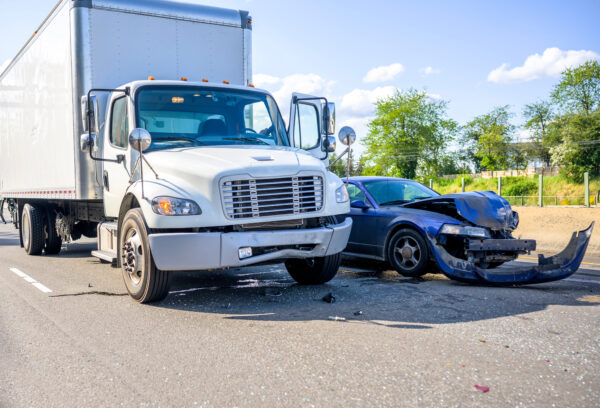
Determining who pays for your medical bills and pain and suffering is the most complex part of a delivery truck pedestrian collision claim. It isn’t always as simple as “the driver hit me, so the driver pays.”
Liability and Duty of Care
In Maine, the legal doctrine of respondeat superior (vicarious liability) often applies. This means an employer is responsible for the negligent acts of their employees while they are working. However, it is important to note that contractors have no independent duty to the public unless they created the problem.
For example, Amazon Flex drivers often use their own personal vehicles. If they are actively delivering, a secondary commercial policy might kick in. Navigating these layers of insurance requires a deep understanding of commercial vehicle accidents.
Maine’s Modified Comparative Negligence Rule
Maine follows a modified comparative negligence rule. This is a critical concept for any injured pedestrian to understand.
In a delivery truck pedestrian collision, the insurance company will almost certainly try to blame you. They might argue you were looking at your phone or stepped out too quickly.
- The 50% Threshold: In Maine, you can only recover compensation if your fault is less than 50%.
- Reduction of Damages: If you are found to be at fault, your total compensation will be reduced by an amount reflecting that negligence, not a percentage. If you are 50% or more at fault, you recover nothing.
This is why cases like the one where a FedEx driver “didn’t see” a pedestrian in a crosswalk are so important. Even if a driver claims they didn’t see you, they have a legal “duty of care to any non-trespasser” to keep the premises (the road) reasonably safe.
Evidence Needed for a delivery truck pedestrian collision claim
To win a case against a massive delivery corporation, you need hard evidence. These companies have teams of lawyers ready to defend their bottom line. We look for:
- Dashcam and Surveillance: Many Portland intersections and local businesses have cameras that capture the moment of impact.
- Electronic Logging Devices (ELDs): Large trucks record data on speed, braking, and how long the driver has been behind the wheel.
- GPS Tracking: This can prove if a driver was speeding to meet a deadline.
- Black Box Data: Similar to airplanes, many modern delivery vans have event data recorders.
- Police Reports and Witness Statements: Immediate accounts from bystanders are vital.
Following visibility standards set by the state is also key. If the truck was parked illegally, blocking a sightline, that is a strong piece of evidence for negligence.
Legal Steps and Compensation for Maine Pedestrians
If you’ve been hit, the clock is ticking. While you focus on healing, legal deadlines are approaching.
The Statute of Limitations In Maine, the general statute of limitations for personal injury is 6 years. However, you should never wait that long. Evidence disappears, and memories fade. If the accident involved a government vehicle (like a USPS truck), the rules change drastically. There are specific rules for claims involving Federal or State vehicles.
Wrongful Death Tragically, some collisions are fatal. In Maine, families may file a wrongful death claim to seek justice for their lost loved one. This process is distinct from personal injury and has its own set of rules and shorter deadlines. At Hardy Wolf & Downing, we provide empathetic and expert representation to families during these darkest times. You can learn more about seeking compensation for pedestrian accidents on our dedicated resource page.
Frequently Asked Questions for Injured Pedestrians
1. What if the driver says it was my fault? Don’t panic. Drivers often say “they came out of nowhere” to protect their jobs. Maine’s modified comparative negligence rule means that as long as you are less than 50% responsible, you can still recover damages. However, your compensation is reduced by an amount reflecting negligence, not a percentage. We investigate to find the truth.
2. Should I talk to the delivery company’s insurance adjuster? No. Their goal is to settle the case for as little as possible. They may ask “trick” questions to get you to admit fault. Let your attorney handle all communication.
3. What kind of compensation can I get? You may be entitled to coverage for medical bills (past and future), lost wages, pain and suffering, and permanent impairment or scarring.
4. How long does a case take? Every case is different. Some settle in months, while complex cases involving large corporations may go to trial. We fight for you as long as it takes to get the justice you deserve.
Steps to take immediately:
- Seek medical care.
- File a police report.
- Contact Hardy Wolf & Downing.
- Preserve your clothing and shoes from the accident (they can be evidence).
Summary of Pedestrian Rights in Maine
Pedestrians in Maine have significant protections, but the rise of delivery traffic has made the roads more treacherous than ever. Whether you were struck in a crosswalk in Cape Elizabeth or a driveway in Freeport, the law is on your side if a driver failed their duty of care.
If you are struggling with the aftermath of a delivery truck pedestrian collision, reach out to a local authority who knows the Maine legal landscape. Understanding the common causes of pedestrian accidents is the first step toward reclaiming your life.
Hardy Wolf & Downing has been fighting for the people of Maine for decades. From our offices in Portland and Lewiston, we stand up to big delivery companies to ensure our neighbors aren’t left behind. If you’re ready to discuss your options, we are here to listen.